



Rudraksha Health and Spiritual Benefits According to Ancient Texts

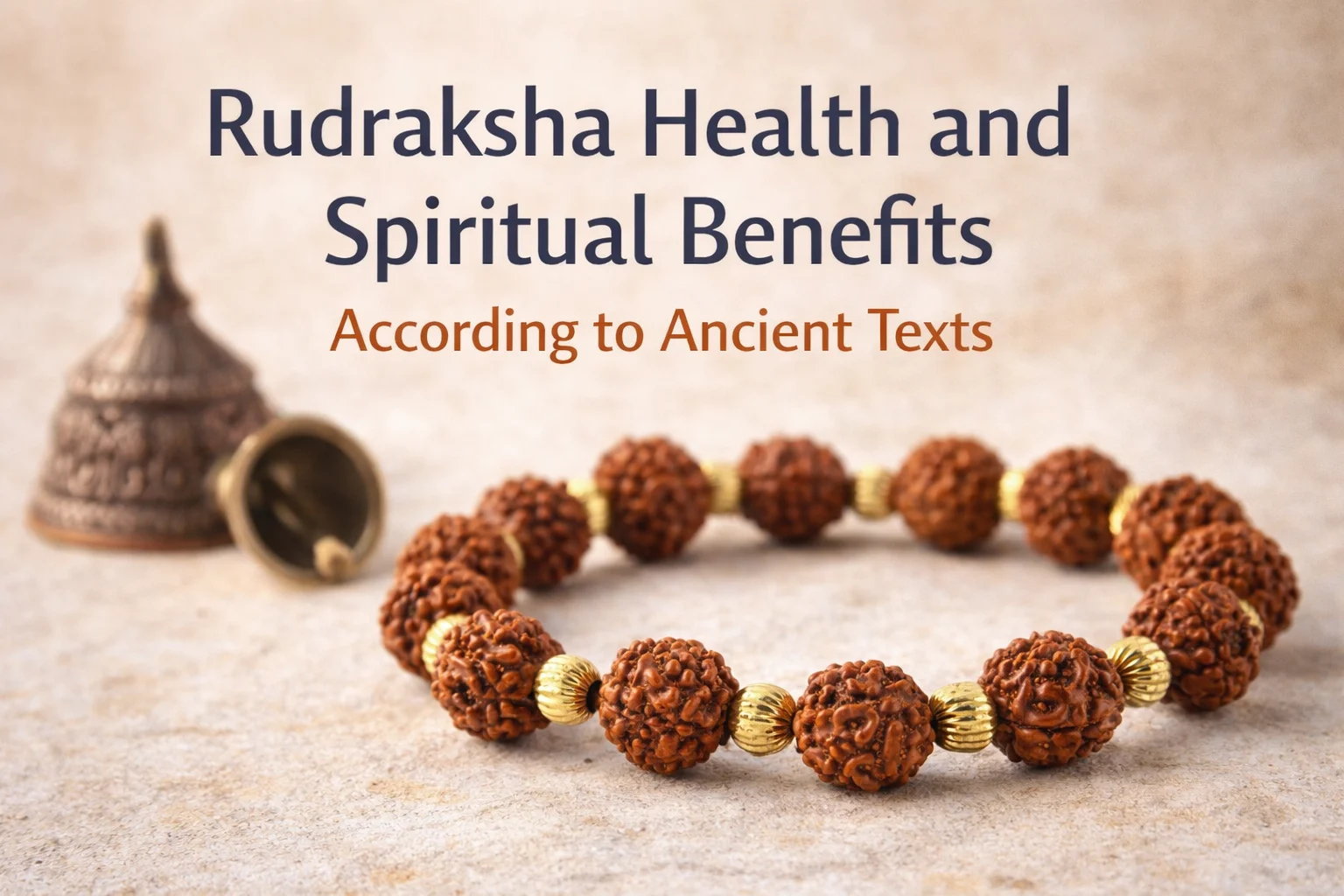
Rudraksha has been revered in Indian spiritual traditions for centuries and holds a special place in religious practices, meditation, and daily worship. Commonly associated with Lord Shiva, Rudraksha is worn by devotees, sages, and spiritual seekers as a symbol of devotion, discipline, and spiritual awareness.
Over time, Rudraksha has also been linked—through traditional beliefs and ancient texts—to various spiritual and wellness-related benefits. This article explores the health and spiritual significance of Rudraksha according to traditional scriptures, clarifies common misconceptions, and explains how Rudraksha is traditionally used in daily spiritual life.
Note: The benefits discussed below are based on traditional beliefs and ancient practices, not modern medical claims.
What Is Rudraksha?
Rudraksha is a natural seed obtained from the fruit of the Elaeocarpus ganitrus tree, primarily found in India, Nepal, and parts of Southeast Asia. The name “Rudraksha” comes from Sanskrit:
- Rudra – Lord Shiva
- Aksha – Tears
According to Hindu tradition, Rudraksha is believed to have originated from the tears of Lord Shiva, making it one of the most sacred spiritual beads.
Each Rudraksha bead has natural lines or segments known as mukhi, which run from top to bottom. These natural formations are an important aspect of identifying authentic Rudraksha.
Importance of Rudraksha in Ancient Scriptures
Rudraksha is mentioned in several ancient Hindu texts, including:
- Shiva Purana
- Padma Purana
- Devi Bhagavata Purana
These texts describe Rudraksha as a sacred object worn by Lord Shiva and recommended for devotees engaged in meditation, mantra chanting, and spiritual discipline. Traditionally, wearing Rudraksha is believed to symbolize surrender, devotion, and inner awareness.
Spiritual Benefits of Wearing Rudraksha (Traditional Beliefs)
1. Enhances Spiritual Focus
Traditionally, Rudraksha is believed to help individuals maintain focus during meditation, jaap (chanting), and prayer. Many spiritual practitioners wear Rudraksha malas to maintain rhythm and concentration during mantra repetition.
2. Associated With Lord Shiva Worship
Rudraksha is deeply associated with Lord Shiva and is commonly worn during:
- Mahashivratri
- Daily Shiva puja
- Religious fasting days
- Temple visits
Devotees believe wearing Rudraksha strengthens their spiritual connection with Shiva.
3. Encourages Discipline and Consistency
In traditional practice, wearing Rudraksha serves as a reminder of spiritual commitment. Many people believe it encourages disciplined living, mindful actions, and regular spiritual routines.
4. Used for Jaap and Meditation
Rudraksha malas are traditionally used for:
- Counting mantra repetitions
- Maintaining rhythm during chanting
- Supporting long meditation sessions
The tactile nature of the beads helps practitioners remain present during spiritual practice.
Traditional Health Beliefs Linked to Rudraksha
In ancient traditions, Rudraksha is also associated with general well-being. It is important to understand that these beliefs come from Ayurvedic and yogic traditions, not modern clinical science.
Traditionally Believed Effects Include:
- Supporting mental calmness
- Helping reduce restlessness during meditation
- Encouraging emotional balance
- Promoting a composed and mindful state
These beliefs are rooted in centuries-old spiritual practices and should not be interpreted as medical treatment or cure.
Rudraksha and the Mind: A Traditional Perspective
In yogic traditions, the mind plays a central role in spiritual growth. Rudraksha is traditionally believed to help stabilize mental fluctuations and support inner stillness, especially when used during meditation or mantra chanting.
Sages and ascetics historically wore Rudraksha while practicing intense meditation, which contributed to its association with mental discipline and clarity.
How Rudraksha Is Traditionally Worn
Rudraksha can be worn in several forms:
- Jaap Mala – Used for chanting and meditation
- Necklace or Pendant – Worn during daily activities or puja
- Bracelet – Common for daily spiritual wear
- Jewellery Sets – Worn during festivals and religious ceremonies
Traditionally, Rudraksha is worn close to the body as a symbol of devotion and mindfulness.
Who Traditionally Wears Rudraksha?
Rudraksha is worn by:
- Devotees of Lord Shiva
- Yogis and spiritual seekers
- Individuals practicing meditation or mantra chanting
- People engaged in religious rituals
- Those seeking a symbol of faith and discipline
There are no traditional restrictions based on age or gender for wearing Rudraksha.
Common Myths About Rudraksha (You Should Know)
❌ Myth 1: Rudraksha Has Guaranteed Medical Powers
Rudraksha is spiritually significant, but it is not a medical treatment.
❌ Myth 2: Only Saints Can Wear Rudraksha
Traditionally, anyone with faith and respect can wear Rudraksha.
❌ Myth 3: Bigger Rudraksha Means More Power
Spiritual significance does not depend on bead size.
❌ Myth 4: Rudraksha Must Always Be Certified
Certification is optional. Traditionally, authenticity is identified through natural characteristics.
Importance of Choosing Authentic Rudraksha
Due to high demand, fake and artificial Rudraksha beads are common in the market. Authentic Rudraksha has:
- Natural, uneven texture
- Deep, continuous mukhi lines
- Organic appearance
Choosing authentic Rudraksha preserves the spiritual intent behind wearing it.
👉 For detailed guidance, read:
How to Identify Original Rudraksha: Real vs Fake (Buying Guide)
Rudraksha in Modern Daily Life
In today’s fast-paced lifestyle, many people wear Rudraksha as:
- A reminder of mindfulness
- A symbol of faith
- Part of daily spiritual practice
- Festive and religious jewellery
Modern designs make Rudraksha suitable for both traditional and contemporary wear.
How to Care for Rudraksha (Traditional Advice)
- Avoid harsh chemicals and perfumes
- Do not store in damp places
- Clean gently with water and dry naturally
- Store in a clean and respectful place
Proper care helps maintain the bead’s natural form and longevity.
Final Thoughts
Rudraksha holds deep spiritual meaning rooted in ancient Indian traditions. While it is traditionally associated with spiritual focus, discipline, and inner awareness, it should be worn with faith and understanding, not unrealistic expectations.
Understanding the traditional beliefs surrounding Rudraksha helps devotees and seekers appreciate its significance while avoiding myths and misinformation.
Frequently Asked Questions (FAQ)
Traditionally, Rudraksha is believed to support mental calmness and spiritual balance. These are spiritual beliefs, not medical claims.
Yes, Rudraksha malas and jewellery are commonly worn daily.
No, anyone can wear Rudraksha with respect and faith.
Certification is optional. Authenticity is traditionally identified through natural characteristics.
Yes, there are no traditional restrictions.