Sandalwood Oil vs Essential Oils: What’s the Difference?

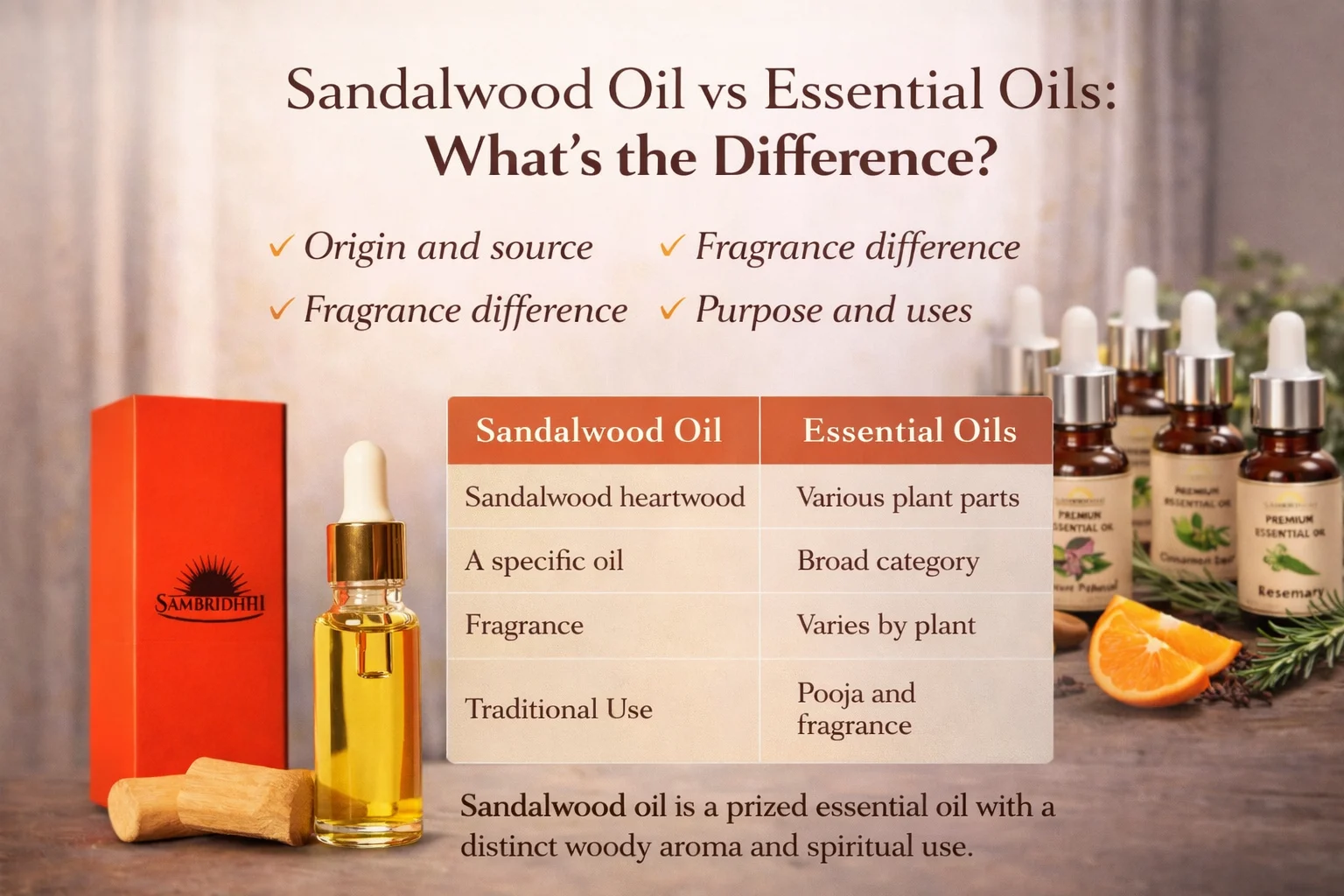
Many people use the terms sandalwood oil and essential oils interchangeably. While sandalwood oil can be an essential oil, the two are not the same thing.
Understanding the difference helps you choose the right product for pooja, fragrance, skincare routines, or home use.
Let’s break it down simply.
What Is Sandalwood Oil?
Sandalwood oil is extracted from the heartwood of the sandalwood tree. It is known for its:
- Warm, woody aroma
- Long-lasting fragrance
- Traditional use in pooja, rituals, and perfumery
Pure sandalwood oil is obtained through steam distillation of mature sandalwood wood, which is why it is considered rare and valuable.
What Are Essential Oils?
Essential oils are concentrated plant extracts obtained from:
- Flowers
- Leaves
- Bark
- Roots
- Seeds
Examples include:
- Lavender oil
- Eucalyptus oil
- Peppermint oil
- Tea tree oil
They are commonly used for:
- Aromatic purposes
- Home fragrance
- Personal care routines
Key Difference Between Sandalwood Oil and Essential Oils
| Aspect | Sandalwood Oil | Essential Oils |
|---|---|---|
| Source | Sandalwood heartwood | Various plant parts |
| Category | A specific oil | A broad category |
| Aroma | Deep, woody, long-lasting | Varies by plant |
| Rarity | High | Varies |
| Traditional use | Pooja, rituals, fragrance | Aromatic & general use |
Important:
Sandalwood oil is one type of essential oil, but not all essential oils are sandalwood oil.
Why Sandalwood Oil Is Often Treated Separately
Sandalwood oil stands apart because:
- Sandalwood trees take many years to mature
- Extraction yields are low
- The aroma develops and deepens over time
- It has strong cultural and spiritual significance
This is why sandalwood oil is usually discussed on its own, not just as another essential oil.
Fragrance Difference: Sandalwood Oil vs Other Essential Oils
- Sandalwood oil has a soft, creamy, woody scent
- Many essential oils have:
- Sharp
- Fresh
- Herbal
- Citrus-like notes
Sandalwood is often used as a base fragrance, while other essential oils are used as top or middle notes.
Usage Differences in Daily Life
Sandalwood Oil Is Commonly Used For:
- Pooja and spiritual rituals
- Traditional fragrance practices
- Calm, grounding environments
Essential Oils Are Commonly Used For:
- Home fragrance blends
- Diffusers
- Cleaning or freshening spaces
The choice depends on purpose, not superiority.
Is Sandalwood Oil Better Than Other Essential Oils?
Not necessarily — they serve different needs.
- Choose sandalwood oil for:
- Traditional use
- Warm, long-lasting aroma
- Spiritual settings
- Choose other essential oils for:
- Fresh or energising scents
- Blends and variety
- Short-term fragrance use
Sandalwood Oil vs Sandalwood Fragrance Oil
This is another common confusion.
- Sandalwood oil → extracted from wood
- Sandalwood fragrance oil → created using aromatic compounds
Both are used for fragrance, but pure sandalwood oil is rarer and costlier.
Final Thoughts
The difference between sandalwood oil and essential oils lies in scope and origin:
- Essential oils are a category
- Sandalwood oil is a specific, prized oil within that category
Understanding this helps you choose the right product for pooja, fragrance, or daily use without confusion.
Frequently Asked Questions
Yes, pure sandalwood oil is a type of essential oil.
Because sandalwood trees grow slowly and yield limited oil.
It can be used aromatically, but it is often reserved for traditional or special uses.
No. Fragrance oils are blended, while sandalwood oil is extracted from wood.
Related Products
Products by Category
-
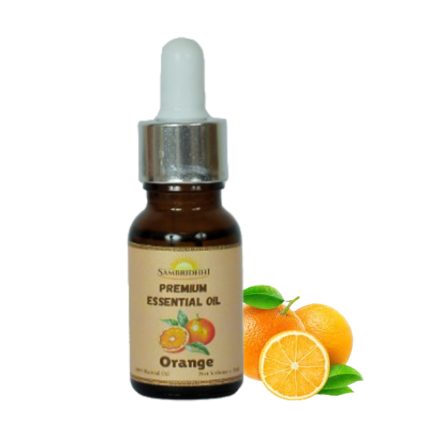
Pure Orange Essential Oil – 15 ML
Original price was: ₹250.00.₹225.00Current price is: ₹225.00. -
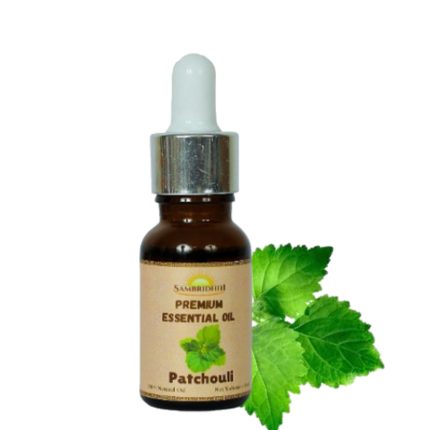
Pure Patchouli Essential Oil – 15 ML
Original price was: ₹500.00.₹450.00Current price is: ₹450.00. -
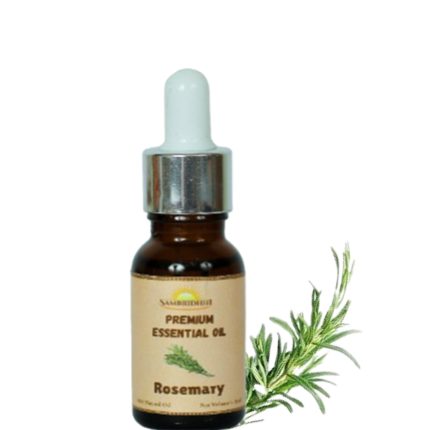
Pure Rosemary Essential Oil – 15 ML
Original price was: ₹250.00.₹225.00Current price is: ₹225.00. -
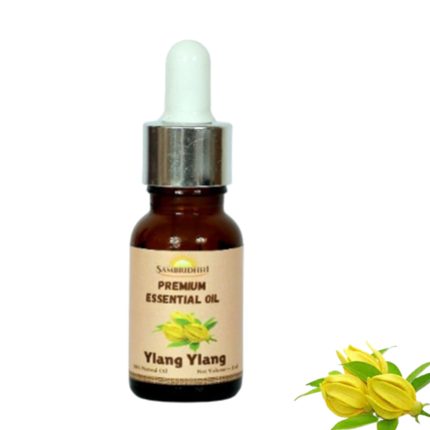
Ylang Ylang Essential Oil – 15 ML
Original price was: ₹250.00.₹225.00Current price is: ₹225.00.